



Introduction: The Kitchen Confidence Gap
You don’t know what you don’t know, right? Most of us did not grow up in households where cooking was anything more than a survival strategy. We ate to survive, not to relish in the culinary art of it all. It wasn’t until we got older and became exposed to the ways of the world that we knew it was possible to create a cozy kitchen for ourselves.
With such a background, cooking can almost feel intimidating once you have your own home. This is because you only know the basics, and learning new skills will feel almost impossible. But the secret is in making the kitchen fit your needs; make it feel familiar and safe.
Because, despite appearances and perceptions, you don’t need much to create a delicious culinary experience in the very comfort of your home. No matter how small or big your kitchen is, or how equipped or unequipped it is.
Hopefully, this article will gently steer you towards transforming your cooking space into a warm, safe, friendly place where you can muster some basic cooking skills. Let’s start!
1. Begin With your Mindset: Your Kitchen Is a Place for Learning
As someone who only started cooking intentionally around five years ago, I can tell you right now that the situation, no matter how dire, can be saved. But, like with any change in your life, you must want it.
For me, it got to the point where I had just had enough, and I know my kids are thankful for it today. So, let’s approach this practically.
- Treat your kitchen like your creative space, not a test you must pass.
- Mistakes will be made, yes, but in the process, invaluable lessons will be learned.
- Start simple; do not be overly ambitious in the beginning. It’s a process.
- Remember: even the best chefs had to start somewhere.
2. Declutter your Kitchen to Create Calm
A cluttered and disorganised kitchen can make you give up before you even start. Therefore, start by clearing out the clutter and transforming it into your space. And if your kitchen is small like mine, check out my article on how to organize small kitchen spaces.
- Put away unused utensils and appliances from the countertops.
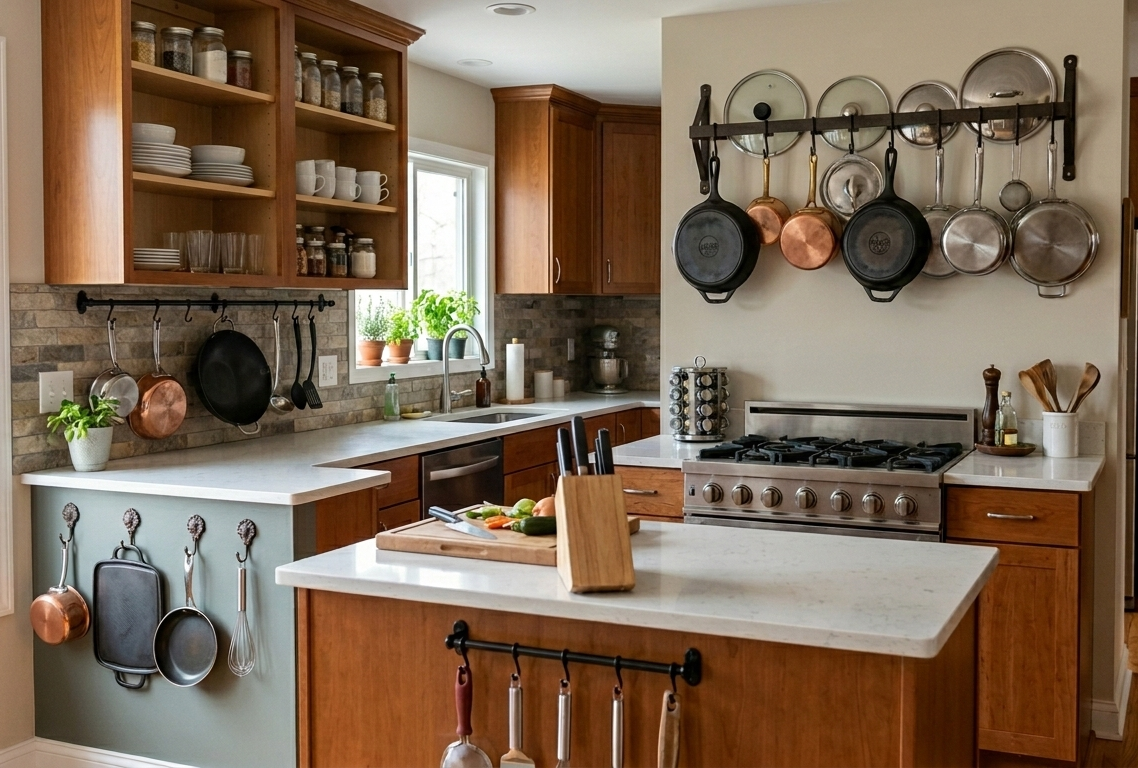
- Display only the regularly used tools within reach, e.g. use hooks to hang pots and pans.
- Use jars, trays or wicker baskets to bundle items.
- Maintain a clear counter space for your chopping and mixing needs.
A cozy kitchen instantly feels more inviting. You’d be pleasantly surprised by how much more fuel this would give you to do better in the kitchen.
3. Create your own Version of a Cozy Kitchen that psyches you up to try that Saved Recipe from Instagram
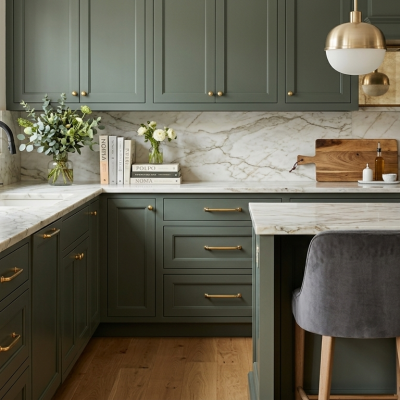
The way your kitchen feels can make a huge difference in how confident you feel cooking in it. If the space feels cold, cluttered, or harshly lit, it’s easy to avoid spending time there. But a few small changes can transform your kitchen into a cozy, organized, warm, inviting haven where cooking suddenly feels relaxing.
Practical tips:
- Use warm lighting instead of harsh overhead lights. If possible, switch on the softer lights later in the day or add a small lamp on the counter to create a gentle glow.
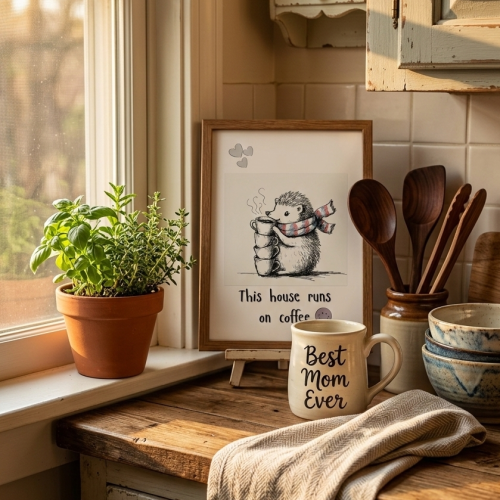
- Use cozy elements to bring in natural textures. Some of these elements include wooden utensils, linen tea towels, or ceramic bowls. They add warmth and character to your kitchen.
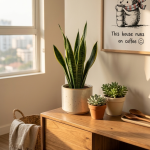
- You can also place a small plant or a pot of fresh herbs on the windowsill to make the space feel alive.
- Keep a favourite mug or teapot visible. We are trying to create a space where your nervous system automatically feels regulated, so this is a great tip.
Remember, when your kitchen feels cozy and welcoming, you’ll naturally feel more relaxed and motivated to cook.
4. Establish a Beginner-Friendly Cozy Kitchen Setup
I can imagine that just the thought of getting all the necessary tools can leave you feeling overwhelmed, but the simple truth is that you don’t need dozens of tools to cook confidently. Approach this venture in steps; this helps both financially and psychologically.
Here’s a simple, important toolkit that you can start with:
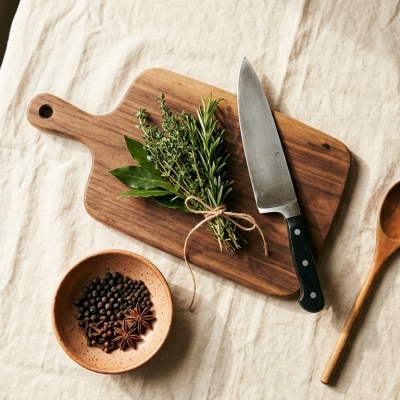
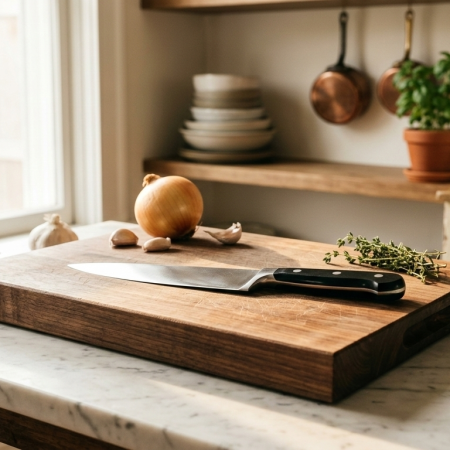
- One good chef’s knife
- A cutting/chopping board
- A skillet
- A medium saucepan
- A baking sheet
- Measuring cups and spoons
You can easily do some basic research to find out the best brands to invest in. And make no mistake, this is an investment. Invest in quality, so don’t be afraid to splurge. These are tools that are supposed to serve you for years.
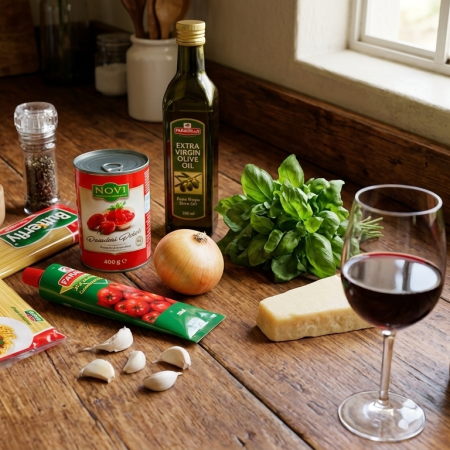
5. Stock a Small “Confidence Pantry”
A properly-stocked pantry lightens the load of decision-making.
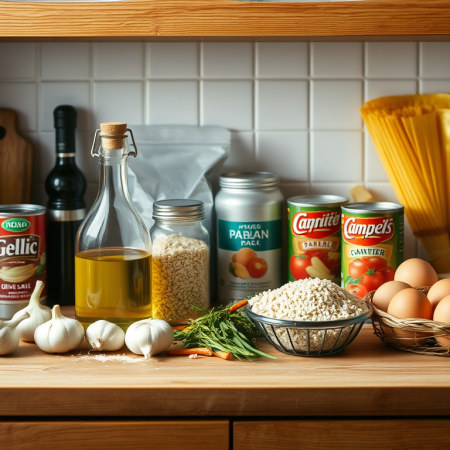
Here are some essentials that you will need as a beginner. If necessary, find their alternatives. Depending on where you live, some of these may not be affordable or locally available.
- olive oil
- garlic
- onions
- salt and pepper
- pasta
- rice
- canned tomatoes/tomato paste
- eggs
- butter
With these few ‘foundation’ ingredients, you can easily make dozens of simple meals.
6. Start With 5 Simple Meals in Your New Cozy Kitchen
Rather than starting ambitiously, start with a few doable recipes for your cozy kitchen.
Check out this list and plan accordingly:
- scrambled eggs with toast
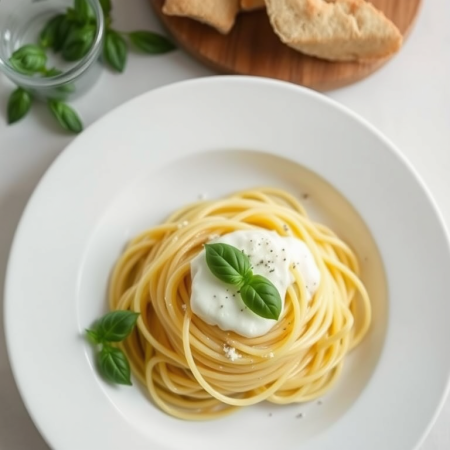
- simple pasta with garlic and olive oil
- roasted vegetables
- fried rice
- one-pot soup
Cooking, like any other repetitive task, depends on building muscle memory over time and gaining confidence. Remember what I mentioned before about making mistakes-it’s normal, and they make good lessons. Try again and again.
7. Establish Small Kitchen Rituals
One of the easiest ways to feel more comfortable in the kitchen is to create small rituals that make the experience enjoyable. When cooking becomes part of a calming routine, it starts to feel less like a task and more like a moment of personal time. Personally, I get such pleasure from trying out new recipes, especially when they end up being a hit in my house. It’s so rewarding when you get to watch your family enjoy your cooking and ask you to repeat their most-liked.
Some of these calming rituals include:
- Playing your favourite music or a podcast while cooking. Background sound can make the kitchen feel lively and help the time pass quickly.
- Light a candle while preparing dinner. Some people enjoy lighting a candle or turning on warm lighting before preparing dinner, especially in the evening. It instantly makes the space feel cozy and intentional.
- Make tea before starting meal prep. Another simple ritual is making a cup of tea before you start cooking. Taking a few minutes to sip something warm can help you settle into the process. For some of us, it’s a glass of wine so whatever tickles your fancy.
- Keep a notebook of favorite recipes. You could also keep a small notebook in the kitchen where you jot down meals you enjoy or small tweaks to recipes. Over time, these little habits create positive memories around cooking.
These habits will gradually create a positive mental association with cooking. It no longer becomes a boring chore that you have to ‘get through’.
8. Allow Yourself to Make Mistakes
One of the biggest barriers to enjoying your kitchen is the belief that every meal has to turn out perfectly. When in reality, confidence in cooking grows through repetition, not perfection. I’m reassuring you right now that even experienced chefs burn toast, overcook pasta, or forget an ingredient now and then. It’s simply part of learning.
Helpful reminders:
- Burnt toast happens to everyone. Instead of worrying about mistakes, treat each meal as practice.
- Recipes are helpful guides, but they don’t have to be followed exactly. The only exception is when it comes to baking.
- Taste your food as you cook and adjust the seasoning if necessary. Use your sense of taste to know when to add a pinch of salt, a squeeze of lemon, or a dash of spice until it feels.
- Celebrate small wins like successfully chopping vegetables or seasoning a dish well. Maybe you chopped vegetables more easily today, or your scrambled eggs turned out just right. Those small improvements add up quickly. The more often you cook, the more natural and enjoyable the process becomes. Over time, your confidence will grow right along with your skills.
9. Make Your Kitchen a Place for Nourishment, Not Pressure
Your kitchen doesn’t have to be a place where you perform or impress anyone. At its heart, it’s simply a space where you nourish yourself and the people you love. When you remove the pressure to cook elaborate meals, the kitchen becomes much more welcoming.
Start by permitting yourself to cook simple meals without guilt. A bowl of pasta, scrambled eggs on toast, or roasted vegetables can be just as satisfying as a complicated recipe. It also helps to keep a few easy backup foods in your pantry or freezer—things like rice, pasta, canned beans, or frozen vegetables—so you always have something quick to prepare.
Try to focus on how the food makes you feel rather than how it looks. Take your time chopping ingredients, and enjoy the rhythm of cooking. When your kitchen feels peaceful and supportive, learning to cook becomes a natural and rewarding part of everyday life.
10. Slowly Expand Your Cooking Skills
Once you start feeling more comfortable in the kitchen, you can gently expand your cooking skills little by little. There’s no need to rush. Learning one small thing at a time makes the process enjoyable rather than overwhelming.
A simple approach is to try one new recipe each week while continuing to cook the meals you already feel confident making. This keeps your routine familiar while allowing you to build new skills.
I can’t even recount the number of times I nailed a recipe on the first try, got cocky, and messed it up the second time. So that’s another thing, humble yourself. You can also experiment with a new spice or ingredient occasionally—adding paprika to roasted vegetables or trying fresh herbs in pasta can completely change the flavor of a dish.
Another helpful step is learning basic techniques such as roasting vegetables in the oven or sautéing onions and garlic in a pan. These simple methods form the foundation of many recipes. Following beginner-friendly cooking blogs or saving recipe ideas on Pinterest can also give you gentle inspiration. Jump onto my Pinterest page for some cozy home meals you can start with. Over time, cooking will start to feel natural and intuitive.
Conclusion: Confidence Grows One Meal at a Time
You don’t need those childhood memories of your family cooking to become comfortable in the kitchen. Cultivate a cozy atmosphere, simplify your tools and start with easy meals. That’s how you start.
That way, your kitchen will become a place of relaxation, confidence and new memories for your family.
AgasHome
This is a space where we strive to make your lives easier. We're helping you to create cosy, organised homes through simple kitchen systems, home resets & lifestyle habits. We share, learn, educate and have fun!